
I walked into the bank holding a ripped $100 bill.
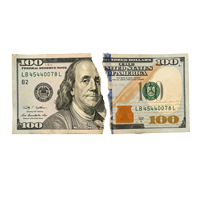
Honestly, I didn't even know if it was worth bringing in.
So I just asked:
"Hey, I found this ripped hundred-dollar bill. Can I swap it for a new one?"
The teller didn't even hesitate.
"Sure. No problem."
A few seconds later, I had a fresh bill in my hand.
That's when I got curious.
So I pulled out another damaged bill I had and asked:
"What about this one?"
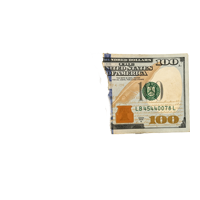
The mood immediately changed.
"No. Absolutely not."
I laughed a little because I thought it was a joke.
Apparently, it wasn't.
So I asked the obvious question:
"What's the rule?"
And that's when I learned something most people never hear explained clearly.
If more than 50% of the bill is intact, the bank can replace it.
But if it's less than that?
It's basically considered too damaged to verify, which means no exchange.
Or in their words:
"Then congrats. You now own modern art."
That line stuck with me more than I expected.
Because here's the real takeaway:
Most people assume damaged cash is automatically worthless—or automatically replaceable.
Neither is true.
There's a cutoff line, and once you know it, you stop guessing.
I even joked that I could just "rip it strategically."
The teller didn't laugh.
Just said:
"If you come back with scissors, I'm calling security."
Fair enough.
But now I know the rule—and I'll never look at damaged cash the same way again.
— Budget Wiener
DealHurryUp